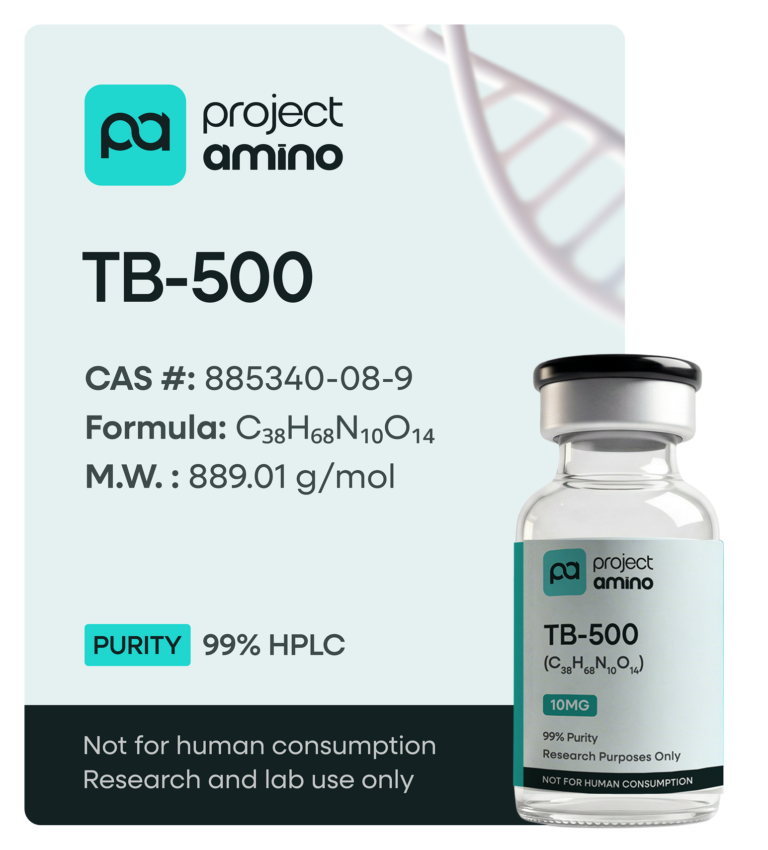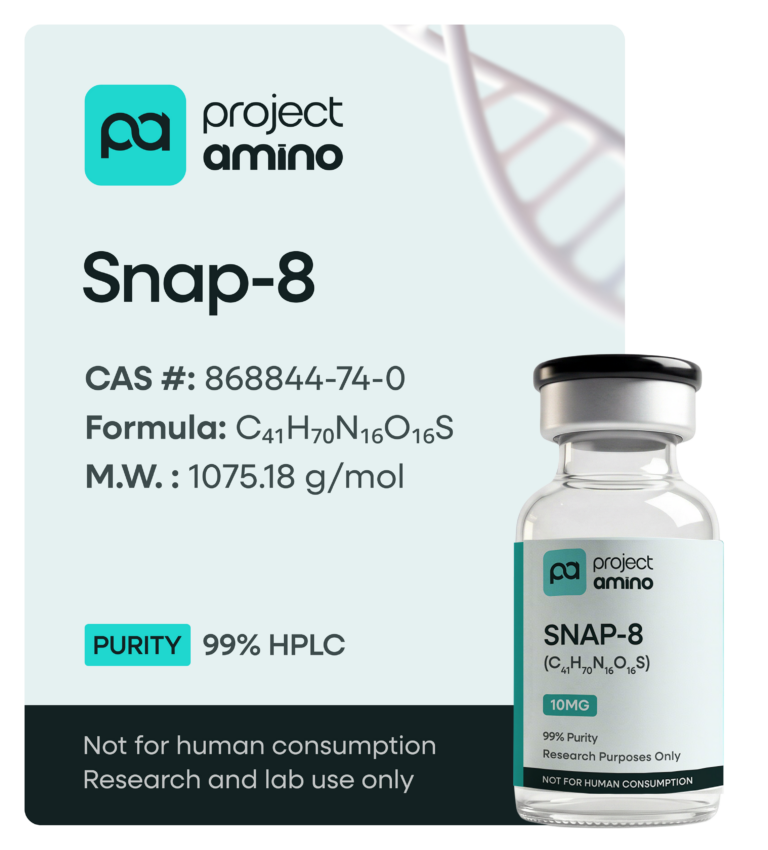


This research formulation combines two advanced incretin-based peptide agonists that act on overlapping but distinct receptor systems. The first component, designated RTA (research code LY-3437943), is an investigational triple agonist that targets the glucagon-like peptide-1 receptor (GLP-1R), the glucose-dependent insulinotropic polypeptide receptor (GIPR), and the glucagon receptor (GCGR). The second component, designated TRZ (research code LY-3298176), is a dual agonist of the GIP and GLP-1 receptors. Both peptides are studied as tool compounds in preclinical and laboratory research focused on incretin receptor pharmacology and metabolic signaling pathways. This blend is provided strictly for in vitro and laboratory research applications and is not for human consumption.
In stock
Free Shipping on orders over $200
RTA and TRZ are studied as tool compounds for dissecting incretin receptor signaling. The TRZ component is characterized in the literature as a dual GIP and GLP-1 receptor agonist, and the RTA component adds glucagon receptor agonism to GLP-1 and GIP activity, with reported receptor activity in the low nanomolar range across its targets [6]. These compounds are used in research to study receptor-specific contributions to incretin signaling and cAMP accumulation in cell-based assays [3, 4].
Both peptides appear in systematic reviews and network meta-analyses indexed on PubMed and PMC that compare multi-receptor incretin agents at the level of receptor pharmacology [2, 3, 4]. These analyses position the TRZ component as a benchmark dual agonist and the RTA component as a triple agonist, providing a framework for research into how incremental receptor targeting, from dual to triple agonism, is reflected in measurable laboratory endpoints [3, 4].
In published preclinical model research, including genetically defined rodent models, these incretin agonists have been used to study central pathways relevant to energy balance and satiety signaling [1, 5]. The two components together provide a comparative research system for examining dual versus triple receptor engagement in controlled models [1].
As large, structurally engineered peptides with fatty-acid modifications that influence half-life, RTA and TRZ are of interest in research on peptide structure, receptor selectivity, and signaling mechanism [2, 6]. They are used as reference compounds in medicinal-chemistry and receptor-pharmacology investigations [6].
The following citations are drawn from publications indexed on PubMed (pubmed.ncbi.nlm.nih.gov) and PubMed Central (pmc.ncbi.nlm.nih.gov).
These products are for research use only and are not intended for human consumption, therapeutic use, or diagnostic purposes. All compounds described herein have not been approved by the FDA for human use. These products are strictly intended for in vitro laboratory research and analytical purposes when conducted by qualified research professionals in licensed facilities. Users are responsible for ensuring compliance with all applicable laws regarding purchase and use of these materials.
🎉 Thank you for your order!
Love our products?
Love our products? Join our Affiliate Program and earn 20% commission every time someone purchases through your referral link.